
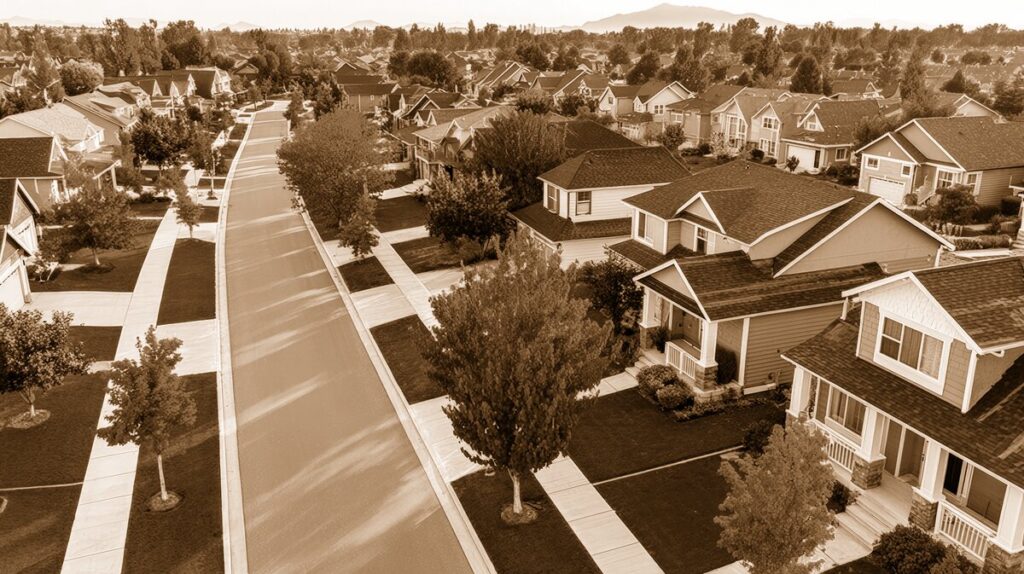
Nestled just east of downtown Mount Vernon, Ohio, the Hunt neighborhood stands as a living tapestry woven with rich history, community spirit, and a quiet resilience that has seen it evolve gracefully over the generations. From the familiar shade of mature maples along East High Street to the stately homes lining North Gay, the Hunt area remains an integral chapter in Mount Vernon’s story—a neighborhood where roots run deep and memories last lifetimes.
Origins: How Hunt Got Its Name
The Hunt neighborhood owes its distinctive moniker to an influential founding family—the Hunts—who played a pivotal role in the neighborhood’s early settlement. In the mid-1800s, John Hunt, a local farmer and real estate developer, acquired several acres just east of the city’s bustling Public Square. His vision was to develop a welcoming residential enclave that balanced proximity to downtown with the quiet charm of suburban living.
As word spread of the Hunts’ progressive plans—with plots laid out for wide streets, green lawns, and spacious homes—families flocked to the area. Before long, folks simply referred to the new enclave as the “Hunt neighborhood,” a name that stuck and became officially recognized in city records by the turn of the 20th century.
Mapping Out the Past: Key Street Corners and Institutions
If you take a stroll along familiar streets like East Chestnut, North Gay, or the aptly named Hunt Avenue, you will still sense the echoes of history that give this neighborhood its special character. At the heart of Hunt lies its centerpiece thoroughfare—East High Street—where many of the neighborhood’s classic homes still stand, lovingly maintained by generation after generation.
- Hunt Avenue: The street named for its founding family remains a nostalgic route for locals, featuring both stately homes and cozy bungalows, many dating back to the early 1900s.
- East Chestnut Street: Known for its grand, leafy sidewalks and serene charm, this historic corridor has long been a favorite for afternoon walks and community gatherings.
- North Gay Street: Once the site of lively streetcar stops, it linked Hunt residents to Mount Vernon’s city center and beyond in the early 20th century.
Institutions such as the historic Mount Vernon Middle School (formerly the Hunt School, established in 1922 on East High) cemented the neighborhood’s reputation as a family-friendly enclave, deeply committed to learning and civic pride.
Threads of Change: Milestones Through the Decades
From its origin as a quiet residential nook in the late 19th century, the Hunt neighborhood has witnessed—and weathered—many transformations:
- Early 1900s: Growth in the Hunt was spurred by Mount Vernon’s expanding manufacturing sector and the arrival of the Baltimore & Ohio Railroad. Grand homes sprouted up along the main streets, occupied by doctors, educators, and professionals.
- The 1920s–1940s: The Hunt School became a vibrant hub, where neighborhood children learned and played. The Great Depression was felt in Hunt as everywhere, but community gardens and mutual aid kept spirits high.
- Post-World War II: Returning veterans settled in the area, bringing with them a renewed energy that saw new homes built on side streets and fresh faces joining the old families.
- The 1970s–1990s: A focus on historic preservation saw many homes lovingly restored. Community associations formed, and old traditions—block parties, holiday parades along East High—were kept alive.
Notable Landmarks: History in Brick and Stone
Although many of Hunt’s most historic homes are still privately owned, several landmarks stand out for their enduring presence and community significance:
- The Former Hunt School/Mount Vernon Middle School: Once abuzz with laughter and learning, this structure on East High is a testament to the neighborhood’s educational legacy. Its classic red-brick façade still catches the evening sun.
- St. Paul’s Episcopal Church (located nearby on East High): While technically just outside Hunt’s boundaries, this historic church has welcomed Hunt families for over a century, serving as a cornerstone for faith and fellowship.
- Victorian and Colonial Revival Homes: Many residences built between 1880 and 1930 still feature original details—gingerbread trim, wraparound porches, stained-glass transoms—that hint at the neighborhood’s elegant past.
Evolving with the Times: Hunt Today
Today, Hunt retains the charm and close-knit spirit that have marked it since its founding. Long-term residents wave to newcomers; children still ride bikes down the same brick-paved alleys their grandparents did. The sense of tradition is palpable, whether you’re attending a summer block party or admiring the autumn foliage in Hunt’s cozy front yards.
Yet, Hunt is not trapped in the past. As Mount Vernon has grown, so too has the neighborhood diversified. Charming early-century houses now stand beside thoughtfully designed new builds. Modern amenities, like Wi-Fi cafes and local boutiques, have found a home in the area’s repurposed storefronts.
Efforts to preserve Hunt’s historic identity continue. The Mount Vernon Historic Preservation Commission often highlights Hunt’s oldest homes and invites residents to share personal histories, strengthening the neighborhood’s sense of continuity and pride.
What Makes Hunt Special
Ask any longtime resident, and they’ll tell you: Hunt isn’t just a cluster of streets, but a living, breathing community. Its history is felt in every porch swing, every friendly greeting on East Chestnut, and every layered story passed from one generation to the next. Here’s what truly sets Hunt apart:
- Enduring architectural beauty and tree-lined streets
- A history rooted in family, education, and civic engagement
- Resilient community bonds that turn neighbors into lifelong friends
Whether you’re new to Mount Vernon or simply passing through, don’t miss the chance to wander the welcoming lanes of Hunt. Take in the history, say hello to a neighbor, and become part of a story still being written with every passing day.